Find Diesel Engine Used Roller for road construction, compaction, and site prep
Source 24 Diesel Engine Used Roller options with hydraulic transmission and vibration compaction capabilities. Buyers can compare models like CS-583 and SYL-880, weighing factors such as rated load, engine power, and operating efficiency for various industrial applications.
Key considerations
Products List


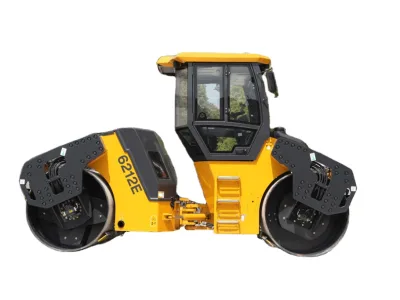


Price Road Roller Compactor Road Roller Specification Second Hand Road Roller
$3000.00 - $3500.00
MOQ: 1


Used Road Roller for Sale - Reliable Second-Hand Compaction Machinery for Construction Projects
$28000.00 - $40000.00
MOQ: 1 Pieces


Adjustable Amplitude and Frequency Excellent Flatness Robust and Sturdy Tandem Roller
$45000.00 - $49000.00
MOQ: 1 Pieces

Adjustable Amplitude and Frequency Convenient Operation Robust and Sturdy Tandem Roller
$45000.00 - $49000.00
MOQ: 1 Pieces


Comprehensive Sourcing Guide
Strategic Sourcing Guide for Diesel Engine Used Rollers
Understanding the Technical Landscape of Used Road Rollers
When sourcing a Diesel Engine Used Roller, buyers must first navigate a complex technical landscape where specifications vary significantly between listings. The market for used compaction equipment is not monolithic; it encompasses various types of machinery, including vibratory rollers, static rollers, and specialized road rollers designed for different soil and asphalt conditions. Based on observed product data, the core technical attributes of these machines often include a diesel engine as the primary power source, with power ratings that can reach substantial levels, such as 103,000 Watts in certain heavy-duty models. This power output is critical for generating the necessary force to compact materials effectively.
The working method is another defining characteristic. While some units rely on static weight, the most common configuration for modern compaction tasks involves vibration. The data indicates that "Vibration" and "Vibration Compaction" are standard working methods for these machines. The effectiveness of this vibration is often quantified by the exciting force, which can range from 810 to 604 KN in specific models, or by centrifugal force, such as 13.5 KN. These figures are not merely marketing terms but represent the physical capability of the drum to densify soil or asphalt layers. Buyers should verify the specific exciting force and static linear pressure, which can be as high as 186 KN, to ensure the machine meets the compaction requirements of their specific project.
The physical configuration of the roller also dictates its application. The axle configuration is a key differentiator, with "Biaxial Dual-Drum" being a prevalent design. This setup allows for simultaneous compaction of both sides of a trench or road section, improving efficiency. Furthermore, the condition of the machine is a primary variable. The market contains both "Used" and "New" units, but for the specific keyword of "used roller," the focus is on machinery that has been previously operated. The condition affects the remaining lifespan and the immediate need for maintenance. Additionally, the transmission type is almost universally hydraulic in these heavy-duty applications, providing the necessary torque and control for the drum and travel systems.
Compliance and Certification Verification
Navigating the regulatory and certification landscape is essential for international procurement. When sourcing a used diesel engine roller, buyers must ensure that the equipment meets the safety and environmental standards of their destination country. The supply chain data reveals a variety of certifications associated with these machines, including CE, RoHS, ISO, TUV, and EPA. The presence of CE marking indicates conformity with health, safety, and environmental protection standards for products sold within the European Economic Area. Similarly, RoHS compliance ensures that the machine does not contain restricted hazardous substances, which is increasingly important for environmental regulations globally.
ISO certification, specifically ISO 9001, is frequently cited as a standard for the manufacturing and quality management processes of the original equipment. While a used machine may not carry a current ISO certificate for its own production, the fact that the original model was built to ISO standards suggests a baseline of quality control. Other certifications like TUV and EPA are critical for specific markets; EPA compliance, for instance, is mandatory for diesel engines sold or operated in the United States to control emissions. Buyers must verify that the specific unit they are purchasing has the necessary documentation to prove these certifications were valid at the time of manufacture and that the engine emissions meet current local standards.
It is also important to distinguish between product certifications and operational standards. Some listings mention standards like "2.5ton" or "1," which may refer to weight classes or specific industry standards rather than formal certification bodies. Buyers should not assume that a listing with a certification tag automatically implies the specific unit is compliant. Instead, they must request the original certification documents, engine emission certificates, and safety inspection reports. The absence of a specific certification in a listing does not necessarily mean the machine is non-compliant, but it requires a more rigorous verification process. For example, if a machine is listed with "CE" but the buyer is in a region requiring EPA compliance, the buyer must confirm if the engine has been retrofitted or if the unit is intended for a market with different regulations.
Cost Drivers and Pricing Variables
The pricing of used diesel engine rollers is influenced by a multitude of factors, creating a wide range of observed costs. Market data indicates a price range from 100 USD to 108,100 USD, a spread that reflects the vast differences in machine age, condition, brand, and specifications. The lower end of this spectrum likely represents smaller, older, or heavily worn units, while the upper end corresponds to larger, well-maintained machines with higher power ratings and advanced features. The "Selling Units" are typically listed as single items, meaning buyers are purchasing individual machines rather than bulk lots, which affects the pricing structure.
Several specific attributes drive the cost of these machines. The power of the diesel engine is a primary cost driver; a unit with 103,000 Watts of power will command a higher price than a smaller unit. The condition of the core components, particularly the compaction drum, is another critical factor. A drum with minimal wear and a high exciting force capability adds significant value. The brand of the hydraulic valves, often described as "Famous Brand" in listings, also influences the price, as high-quality valves reduce the risk of failure and extend the machine's operational life.
Packaging and logistics also play a role in the final cost. The "prod_packing" is listed as "1" in some contexts and "Wooden Box" in others, indicating that specialized packaging is required for safe transport. The single package size, which can be as large as 5680x2290x3150 cm, necessitates specialized shipping arrangements, potentially increasing the total landed cost. Furthermore, the warranty offered, such as a "1 Year" warranty, can be a significant value-add that justifies a higher purchase price. Buyers should evaluate the total cost of ownership, including shipping, customs duties, and potential immediate repairs, rather than focusing solely on the listed price. The MOQ (Minimum Order Quantity) ranges from 1 to 500, but for used equipment, the typical transaction is a single unit, making the MOQ less of a barrier than the logistical complexity of importing a large, heavy machine.
Typical Applications and Operational Scenarios
Used diesel engine rollers are versatile pieces of equipment designed for a wide array of construction and infrastructure projects. The primary application is road construction and maintenance, where the machine is used to compact soil, gravel, and asphalt layers. The "Working Method" of vibration compaction is particularly effective for granular materials, ensuring a dense and stable base for roads, runways, and parking lots. The "Compaction Depth" of 25 cm, as observed in some models, indicates the machine's capability to compact layers to a specific depth, which is crucial for meeting engineering specifications.
Beyond road building, these rollers are used in earthworks for dams, embankments, and landfill sites. The "Biaxial Dual-Drum" configuration allows for efficient compaction in narrow spaces or around obstacles, making them suitable for trench backfilling and utility work. The "Travel Speed" of 25 cm/s provides a balance between compaction quality and operational efficiency, allowing the operator to cover large areas without sacrificing density. The "Load and Unload Mode" of "Rear Dump" is relevant for machines that may be part of a larger system or for specific site logistics, though for a standalone roller, this attribute may refer to the transport method or associated equipment.
The "Type" of the machine, often listed as "Oversize Loader" or "Vibratory Roller," suggests that these units are designed for heavy-duty tasks. The "Walking Mode" being "Wheeled" indicates that the machine is mobile and can be driven on-site, unlike tracked rollers which are better for soft ground. However, the specific application depends on the soil type and the required compaction density. For asphalt work, the vibration frequency and amplitude must be carefully matched to the material to avoid segregation. For soil compaction, the static linear pressure and exciting force are the primary metrics. Buyers should assess the specific needs of their project, such as the thickness of the layers to be compacted and the type of material, to select the right model.
Supplier Evaluation and Verification
Evaluating suppliers of used diesel engine rollers requires a rigorous approach to ensure reliability and product quality. The "Place of Origin" for these machines is frequently listed as China, with specific regions like Jiangsu and Shandong being prominent sources. While these regions have a robust manufacturing and trading infrastructure, buyers must verify the supplier's reputation and history. The "Video outgoing-inspection" being "Provided" is a positive indicator, suggesting that the supplier is willing to demonstrate the condition of the machine before shipment. This feature allows buyers to visually inspect the machine, check for visible damage, and verify the operation of key components like the engine and hydraulic system.
Buyers should also look for evidence of the supplier's ability to provide accurate product descriptions. The "English Parameter" of "General Description" suggests that detailed technical data should be available. A reputable supplier will provide comprehensive specifications, including the engine model, transmission type, and condition report. The "Core Components" such as the "Compaction Drum" should be clearly described, with details on wear and tear. Additionally, the "Unique Selling Point" of "High operating efficiency" should be backed by performance data or customer testimonials.
It is crucial to avoid suppliers who make unverifiable claims or fail to provide necessary documentation. The presence of certifications like CE and ISO should be verified through official channels. Buyers should also check the "Standard" of the product, which may refer to industry standards or specific model standards. For example, a standard of "2.5ton" might indicate the weight class, but it should be cross-referenced with the actual weight of the machine, which is listed as 21000 KG in some cases. This discrepancy highlights the need for careful verification of all specifications.
Quality Control and Inspection Protocols
Quality control is paramount when purchasing used heavy machinery. The "Condition" of the machine, whether listed as "Used" or "New," must be verified through a detailed inspection process. For used rollers, the inspection should focus on the engine, hydraulic system, and compaction drum. The "Diesel Engine" should be tested for performance, including compression, oil pressure, and exhaust emissions. The "Hydraulic Valve Brand" being a "Famous Brand" is a good sign, but the condition of the valves and hoses must be checked for leaks or wear.
The "Compaction Drum" is the heart of the machine. Buyers should inspect the drum for cracks, wear, and the condition of the vibration mechanism. The "Exciting Force" and "Centrifugal Force" should be measured to ensure they meet the specified values. The "Static Linear Pressure" is another critical metric that should be verified. The "Single gross weight" of 21000.000 kg should be confirmed to ensure the machine matches the listed specifications.
Visual inspection should also cover the "Color" of the machine, which is typically "Yellow," and the overall structural integrity. The "prod_packing" of "Wooden Box" should be inspected for damage that might indicate rough handling during transport. The "Warranty" of "1 Year" should be clearly defined, including what components are covered and the terms of service. Buyers should request a detailed inspection report from the supplier, including photos and videos of the machine in operation. If possible, a third-party inspection should be conducted to provide an unbiased assessment of the machine's condition.
Long-Term Procurement and Maintenance Considerations
Procuring a used diesel engine roller is a long-term investment that requires careful consideration of maintenance and lifecycle costs. The "Warranty" period is a starting point, but the long-term reliability of the machine depends on the availability of spare parts and the quality of maintenance. The "Core Components" like the "Compaction Drum" and "Hydraulic Valve" should be sourced from reputable manufacturers to ensure compatibility and performance. The "Engine" type, being a "Diesel Engine," implies a need for regular fuel system maintenance and oil changes.
The "Travel Speed" and "Working Method" of vibration compaction suggest that the machine will be subjected to high stress. Buyers should plan for regular maintenance schedules, including hydraulic fluid changes, filter replacements, and drum inspections. The "Condition" of the machine at the time of purchase will determine the immediate maintenance needs. A machine listed as "Used" may require more extensive repairs than one listed as "New," but it may also offer a lower initial cost.
Buyers should also consider the "Product Capacity" and "Mixing Method" if the machine is part of a larger system. The "Moving Type" of "Semi-Fixed" or "Wheeled" affects the mobility and setup time on the job site. The "Selling Units" being "Single item" means that each machine is a distinct asset, and buyers should evaluate the total cost of ownership, including fuel consumption, maintenance, and potential downtime. The "Standard" of the machine, such as "2.5ton," should be considered in the context of the project requirements to ensure the machine is not underutilized or overworked.
In conclusion, sourcing a used diesel engine roller requires a comprehensive understanding of technical specifications, compliance requirements, cost drivers, and supplier reliability. By carefully evaluating these factors and implementing robust quality control measures, buyers can secure a machine that meets their project needs and provides long-term value. The wide range of observed prices and specifications underscores the importance of due diligence in this complex market.
FAQs
What certifications do diesel engine used rollers typically have?
These machines commonly carry CE, RoHS, ISO, and TUV certifications. Some listings also include EPA and CS marks for specific regional compliance. Buyers must verify original documents to ensure current validity for their destination country.
How is the power output of these rollers measured?
Power is measured in Watts, with heavy-duty models reaching up to 103,000 Watts. This high output drives the diesel engine to generate necessary force for effective soil and asphalt compaction during construction projects.
Which working methods are standard for these compaction machines?
The standard working method is vibration compaction, utilizing exciting forces up to 810 KN. Some units also feature static linear pressure around 186 KN for different material densities and layer thicknesses.
Can buyers verify the condition before shipping?
Yes, video outgoing-inspection is provided by many suppliers to show the machine's actual state. This allows buyers to visually confirm the engine, drum, and hydraulic system condition before finalizing the purchase agreement.
What is the typical warranty period for used rollers?
A standard warranty period is one year for core components like the compaction drum. This coverage helps mitigate immediate risks associated with purchasing previously operated heavy machinery from international sources.
Where are these diesel engine rollers primarily manufactured?
The primary places of origin are Jiangsu and Shandong provinces in China. These regions host numerous factories specializing in heavy construction equipment, offering a wide range of models and specifications for export.
How much does a single unit typically weigh?
The single gross weight for these machines is approximately 21,000 kilograms. This substantial mass is essential for providing the static linear pressure required for effective ground compaction in road and earthwork projects.